



Direct Removals to Europe Explained
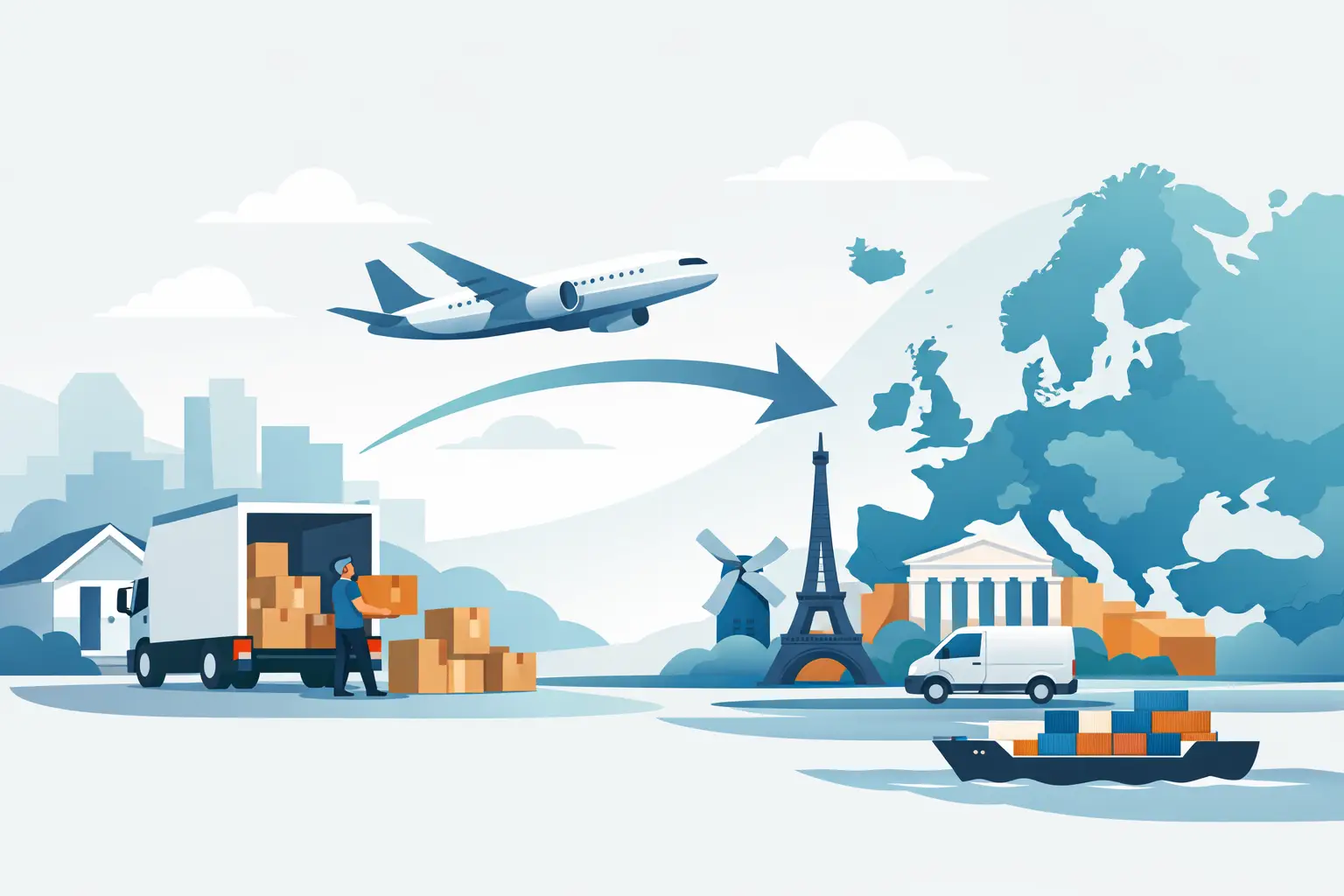
If you need your belongings collected in the UK and delivered across the Channel without waiting for a shared load to fill, direct removals to Europe are usually the right place to start. They are built for moves where timing matters, access is awkward, or you simply want your goods on a dedicated vehicle rather than mixed with other consignments.
That sounds straightforward, but the best service level depends on more than speed alone. Route, property access, customs paperwork, total volume, and whether you are moving a full household or a few key items all affect whether a direct service is worth the extra cost. For some customers, it is the most efficient option. For others, a part-load service is the better fit.
What direct removals to Europe actually mean
A direct removal means your shipment travels on a dedicated vehicle assigned to your move rather than being grouped with other customers' goods. In practical terms, that usually means collection on an agreed date, a planned route straight to the destination area, and delivery arranged around your schedule rather than a groupage timetable.
For household moves, this can be the difference between having your furniture in your new home within 24 to 48 hours on major routes and waiting several days or longer for a shared service. For business relocations, direct transport can reduce downtime because office equipment, files, stock, or specialist items are not held back to match other deliveries.
That does not mean every direct move is a next-day delivery. Distance still matters. A removal from England to France is very different from a move from Removals to the Algarve or eastern Europe. Ferry schedules, driving hours, customs procedures, and local access restrictions all shape the final transit time.
When direct removals to Europe make the most sense
The main reason customers choose a direct service is control. If you are working to a property completion date, rental handover, school start, or employment deadline, waiting for a weekly shared departure can create unnecessary risk.
Direct transport is also useful when the move includes higher-value furniture, fragile items, or goods you would rather keep separate from other consignments. A dedicated load reduces handling points, which in turn reduces the chances of delay, confusion, or damage caused by repeated loading and unloading.
It is often the better option for larger volumes as well. Once a move reaches a certain size, the price gap between part-load and direct transport narrows. If you are moving most of the contents of a two- or three-bedroom property, a dedicated vehicle can be more practical than trying to fit the job around a shared route.
There are also access-related cases where direct planning matters. If your pickup address has limited parking, narrow lanes, timed loading windows, or apartment restrictions, it helps to have a crew and vehicle scheduled specifically for your move. The same applies at the delivery end, particularly in older European town centers where access can be tight and unloading may need to happen within a fixed time slot.
What affects the cost of a direct move
Price is usually based on a mix of volume, route, vehicle size, labor, and timing. The longer the distance and the larger the load, the higher the transport cost. That part is obvious. What catches customers out is everything around the transport itself.
Packing level changes the price. If you want export wrapping for furniture, boxed packing for kitchenware, wardrobe cartons, mattress covers, and protection for artwork or glass, labor and materials need to be built in. Access can add cost too. Long carries from the property to the vehicle, multiple flights of stairs, lift reservations, or shuttle vehicles for restricted streets all increase time on site.
Customs requirements are another factor on UK-Europe routes. The transport itself may be direct, but the paperwork still has to be right. Inventory detail, proof of address, residency documents, and destination-specific requirements can all affect how smoothly the move runs. If documents are incomplete, the problem is not solved by paying for a faster vehicle.
Seasonal demand matters as well. Summer, month-end dates, and holiday periods tend to be busier. If you need a very specific collection or delivery date during a peak period, expect less flexibility on pricing than you might get in a quieter week.
Direct service versus part-load groupage
This is where a lot of customers need honest advice. Direct is faster and more private, but it is not automatically the best value.
If you are moving a small flat, a modest shipment of boxes, or only selected furniture, part-load groupage can be the smarter choice. You share the cost of the route with other customers, which keeps the overall price down. The trade-off is timing. Collection and delivery are planned around a consolidated schedule, so there is less room for exact-day requests.
A direct removal is more expensive because the vehicle, fuel, road costs, and driver time are allocated to your shipment alone. In return, you get more control, fewer handling stages, and shorter transit. For urgent moves, larger household removals, and time-sensitive business relocations, that trade-off often makes sense.
The practical question is not whether direct is better in theory. It is whether the extra speed and exclusivity solve a real problem for your move.
Planning a direct European removal properly
A good direct move starts with an accurate survey. That can be done in person or by video, but it needs to cover the details that affect vehicle choice and labor time. Volume is only one part of it. The mover needs to know what is being taken, what needs dismantling, whether there are fragile or high-value items, and how access works at both ends.
Be clear about your timing from the start. If you have fixed dates for key release, tenancy end, ferry travel, or school enrollment, say so early. A direct service works best when the route can be planned around confirmed milestones instead of rough estimates.
You should also separate what must travel immediately from what can wait. Some customers benefit from a split approach – essential items on a direct service, less urgent goods on a later shared load or storage arrangement. That can control cost without slowing down the move itself.
Packing deserves more attention than many people give it. On international routes, poorly packed cartons and unprotected furniture cause avoidable problems. Even on a direct vehicle, the goods still face road vibration, border checks, loading ramps, and unloading into unfamiliar properties. Good packing is not an upsell for its own sake. It is part of getting the move right.
Common issues that delay direct removals to Europe
The biggest delays are usually administrative rather than mechanical. Missing customs documents, vague inventories, or mismatched names and addresses can hold a shipment up far more effectively than traffic ever will.
Access problems come a close second. Customers sometimes assume a large removal truck can park outside any property, then discover weight restrictions, narrow roads, gated compounds, or apartment booking rules. If those details are picked up late, the mover may need to change vehicle type or arrange a shuttle service.
Another common issue is under-declared volume. If a quote is based on half a van and the actual load needs a much larger vehicle, the entire route can be affected. Accurate surveys prevent that. So does being honest about loft contents, garage items, garden furniture, and last-minute additions.
There is also the question of delivery readiness. A direct removal only works smoothly if the destination property is actually ready to receive the goods. If keys are delayed, renovations overrun, or local unloading permits are missing, fast transport will not fix the problem.
Choosing the right mover for a direct route
Experience on European routes matters because cross-border removals are not just domestic moves with a ferry added. The mover should understand customs processes, document handling, route planning, and the practical realities of deliveries into cities, villages, mountain areas, and seasonal destinations across Europe.
Ask how the service is operated. Is it a genuine dedicated vehicle or simply a quicker slot on a shared route? Is packing available if needed? Can storage be added if your delivery date changes? What paperwork support is included? These are the questions that tell you how the move will actually be managed.
European Removal Services works with both dedicated direct vehicles and weekly shared-load options, which is often what customers need – not a one-size-fits-all answer, but the right transport model for the job.
If you are weighing up direct removals to Europe, the sensible approach is to look at timing, volume, and risk together. A cheaper move is not better if it leaves you without your essentials for a week, and a faster move is not better if the paperwork is wrong. Get the details right early, and the whole move becomes far more manageable.