



Part Load Removals Europe Explained
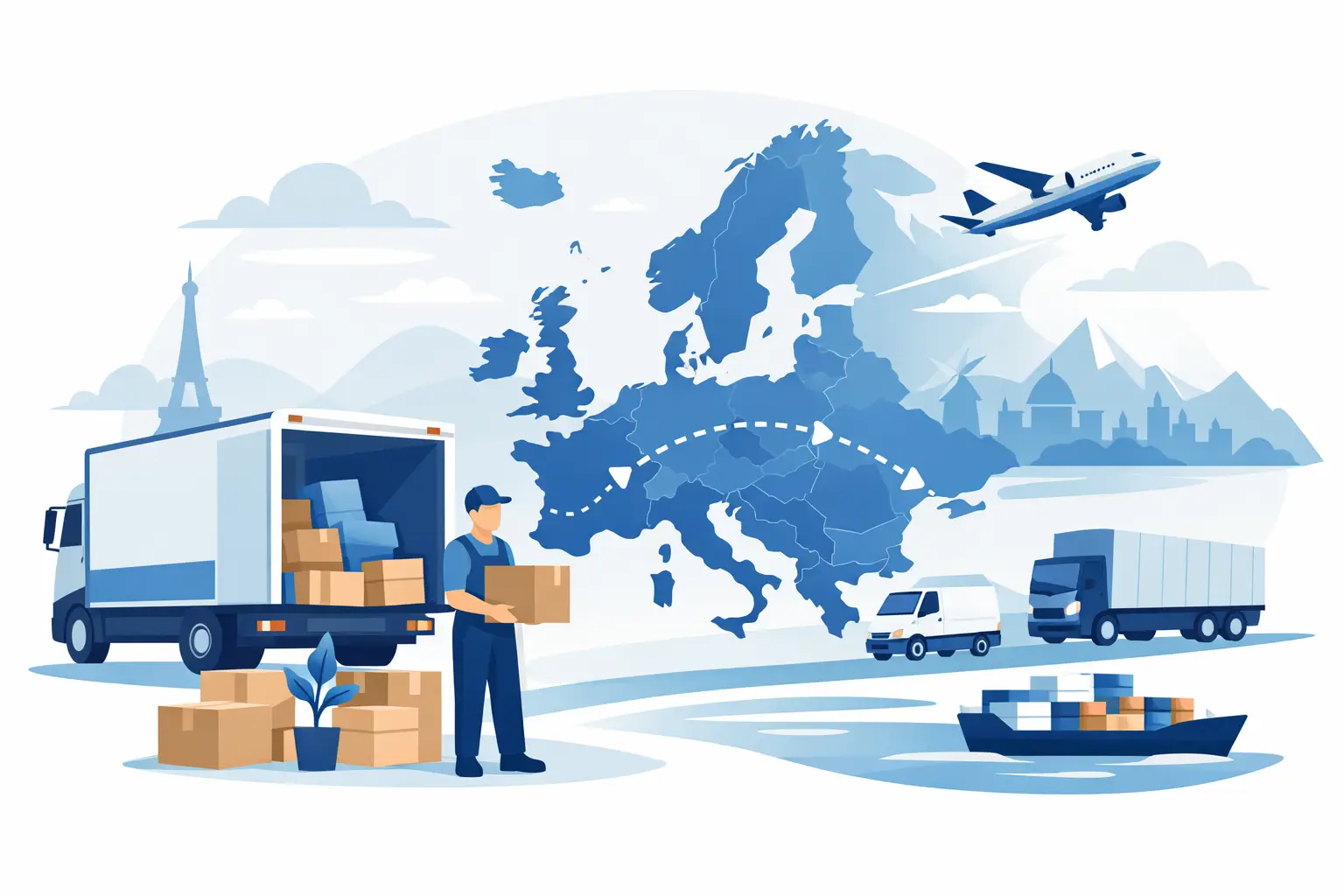
If you are moving a few items to France, a one-bedroom apartment to Spain, or sending household goods back from Germany to the UK, paying for a full truck rarely makes sense. That is where part load removals Europe services become the practical option. Frequently used for Removals to Europe, shared-load transport allows customers to reduce costs by sharing vehicle space with others travelling on similar routes while still benefiting from a professional cross-border removals service.
This approach works well for many international moves, but it is not the right fit for every situation. The real value comes from understanding how shared-load transport is planned, what affects the schedule, and where costs can rise if access, packing, or customs are not clear from the start.
How part load removals Europe works
A part-load move means your shipment takes up only part of the vehicle. Rather than booking a dedicated truck for one customer, the removals company builds a route with several compatible consignments heading in the same general direction. For example, a vehicle leaving the UK might carry a small move to northern France, a larger load to central Spain, and boxed household effects for Portugal.
The model is straightforward, but the planning behind it is not. Loads need to be grouped by destination, volume, handling requirements, and delivery window. A well-run part-load service depends on route frequency and depot coordination, not luck. That matters because European moving is not just about road miles. Ferry crossings, customs procedures, local access restrictions, and unloading time all affect the final timetable.
For customers, the main benefit is cost efficiency. You are paying for the space you use rather than the whole vehicle. That makes part-load removals especially suitable for studio and one-bedroom moves, student relocations, a few pieces of furniture, boxed belongings, or staged moves where the rest of the shipment will follow later.
When a part-load move makes sense
The best candidates for part load removals Europe are customers who want to control costs and have some flexibility on dates. If your move is not urgent and you are not filling a truck, shared transport can offer very good value.
This is common with retirees relocating gradually, families sending a first batch of goods ahead of a full move, expats returning with selected household items, or businesses moving a small office setup across borders. It also suits customers who are downsizing and have already sold part of their furniture before the move.
Where it becomes less suitable is when timing is tight, access is difficult, or the shipment includes items that need isolated handling. If you must load on Monday and deliver by Wednesday, a dedicated direct service is usually the better choice. The same applies if you are moving high-value items, fragile specialist furniture, or a full household where shared space offers little savings.
What affects the price
Customers often assume part-load pricing is based only on distance. Distance matters, but it is only one part of the job. In real terms, removals quotes are shaped by volume first, then by route, handling, access, and any customs or packing requirements.
Volume is usually measured in cubic meters. A few boxes and suitcases might be a very small shipment, while a one-bedroom apartment can quickly add up once you include a sofa, bed, dining set, appliances, and packed cartons. Underestimating volume is one of the most common reasons quotes change.
Access also has a direct impact on cost. A ground-floor home with easy parking is faster and simpler than a fourth-floor apartment with no elevator in a narrow city street. If the crew needs to shuttle goods long distances, wait for building access, or use smaller vehicles due to local restrictions, the labor time increases.
Packing level matters too. Professionally packed loads are easier to stack, protect, and transport safely in a shared vehicle. If goods are loose, poorly boxed, or not ready on collection day, loading can take longer and increase risk. A realistic quote should reflect that.
Timing and delivery windows
The trade-off with part-load transport is speed. Shared loads follow a route plan, so collections and deliveries are scheduled around other booked shipments. That usually means a delivery window rather than an exact same-day guarantee.
That does not mean the service is vague or unreliable. It means the schedule is built for efficiency across multiple stops. Weekly departures on popular routes make this workable for customers moving between the UK and destinations such as France, Spain, Portugal, Germany, Ireland, and other well-served parts of Europe.
If you need a fixed collection date but can accept a broader delivery window, part load can still work very well. If both dates are rigid, a direct dedicated van to Europe is usually worth the extra cost. The right option depends on whether budget or speed is the higher priority.
Customs and paperwork after Brexit
Any move between the UK and EU now needs proper customs planning. This is one area where experience matters. A low quote means very little if paperwork problems leave your goods delayed at the border.
For household removals, the required documents will depend on the route, residency status, ownership of the goods, and whether the shipment qualifies as used personal effects. Inventories need to be accurate. Supporting documents may include passports, proof of address, visas or residency papers, and declarations tied to the destination country.
With part load removals Europe services, paperwork must be especially well organized because multiple customers may be sharing the same vehicle. One unclear file can create complications for the wider route. That is why reliable operators ask detailed questions before collection instead of trying to sort everything out after the truck is loaded.
Packing, protection, and storage
Shared transport makes good packing more important, not less. In a part-load vehicle, your shipment will be loaded alongside other customers' goods, often with route sequencing in mind. That means furniture should be wrapped properly, cartons should be strong and clearly labeled, and fragile items should be packed to withstand handling and transit.
For some customers, a full packing service is worth paying for because it reduces breakage risk and keeps the move moving on schedule. For others, self-packing is reasonable if it is done to removals standards. The key is being honest about what is packed, what still needs attention, and whether any oversized or delicate items need special treatment.
Storage can also be useful if your property completion dates do not line up neatly. A part-load move can be combined with short-term storage in the UK or Europe, which gives you more flexibility without having to force the whole move into one narrow timeline.
Questions worth asking before you book
Good removal companies to Europe should be able to explain how often they run your route, how volume is assessed, whether customs support is included, and what happens if access is poor at either end. Those are practical questions, not small print.
You should also ask whether the quote is based on a survey, estimated box count, or customer description only. The more accurate the information, the fewer surprises later. If your building has access restrictions, if your delivery address is in a rural area, or if the shipment includes anything unusual, say so early.
This is also the stage to ask about transit insurance, loading methods, and whether the company operates its own network or relies heavily on subcontracting. There is nothing inherently wrong with subcontracting, but customers deserve clarity on who is handling their goods and where responsibility sits.
Choosing the right service level
The smartest move is not always the cheapest quote. It is the service level that fits the job. A part-load option is often the right answer for smaller European moves because it balances cost and professionalism, especially on regular routes with dependable weekly schedules.
At the same time, there are cases where paying more for direct transport is the sensible decision. Urgent deadlines, full household moves, premium items, or complex access can justify a private vehicle. A dependable removals company should tell you that, not push shared transport where it does not fit.
European Removal Services works with both shared-load and dedicated transport across UK and European routes, which is why the planning stage matters. Matching the shipment to the right service is what keeps cost, timing, and risk in proportion.
If you are comparing options, focus on the details that affect the actual move day: volume, route frequency, access, packing standard, customs readiness, and delivery flexibility. That is usually where a smooth move is won or lost. The right part-load service should feel practical from the first quote, not just affordable on paper.